
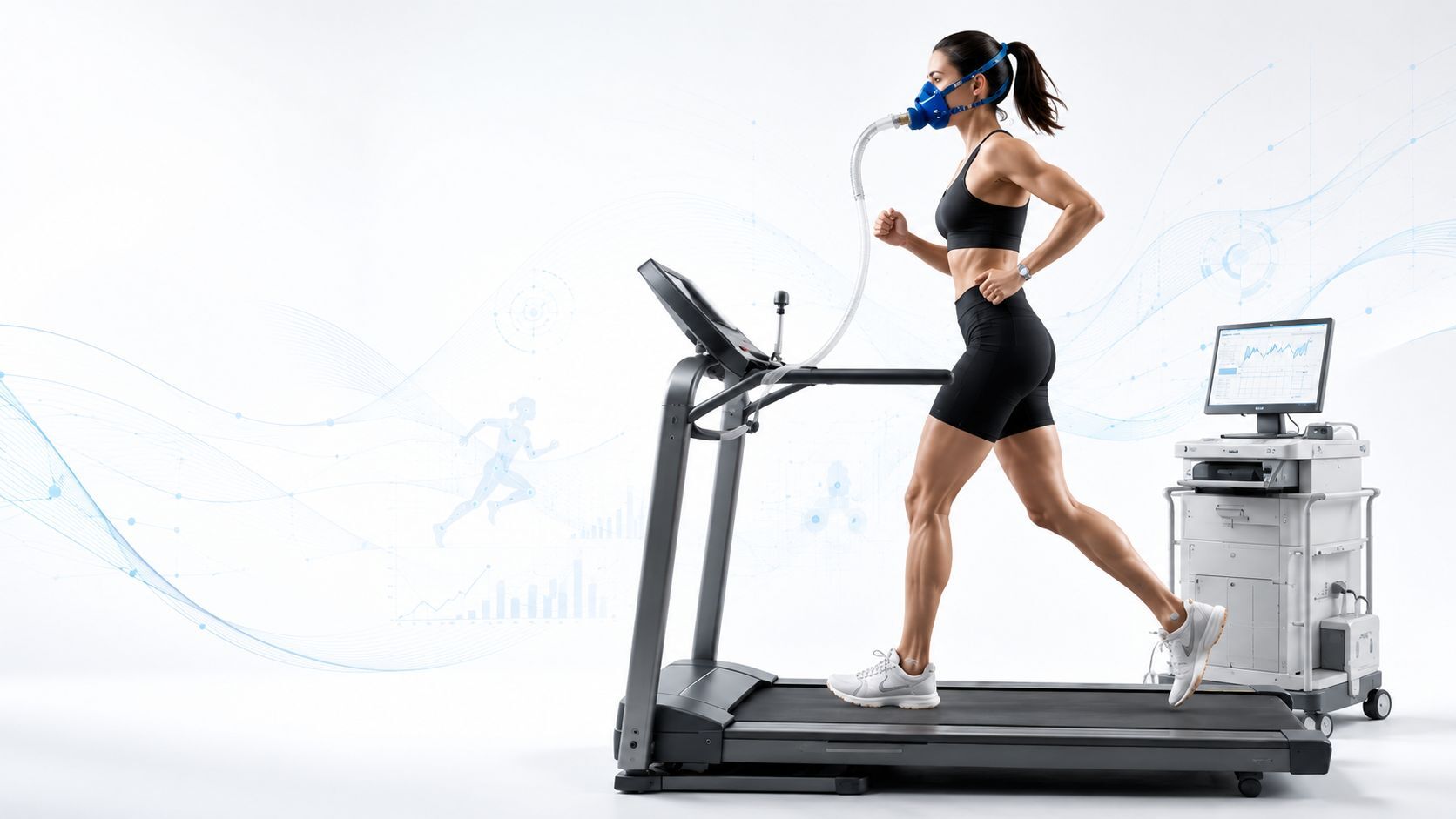
Human Performance
The Human Engine
Helping athletes reach their full potential
Every adaptation begins as a measurable physiological signal. This is how the human body responds to exercise — and how that response is captured, interpreted and trained.
0.0
VO₂ max, ml/kg/min
0.0
Lactate threshold, mmol/L
0
Peak heart rate, bpm
0
Peak power output, W
Laboratory Protocol
Phase 01
Planning
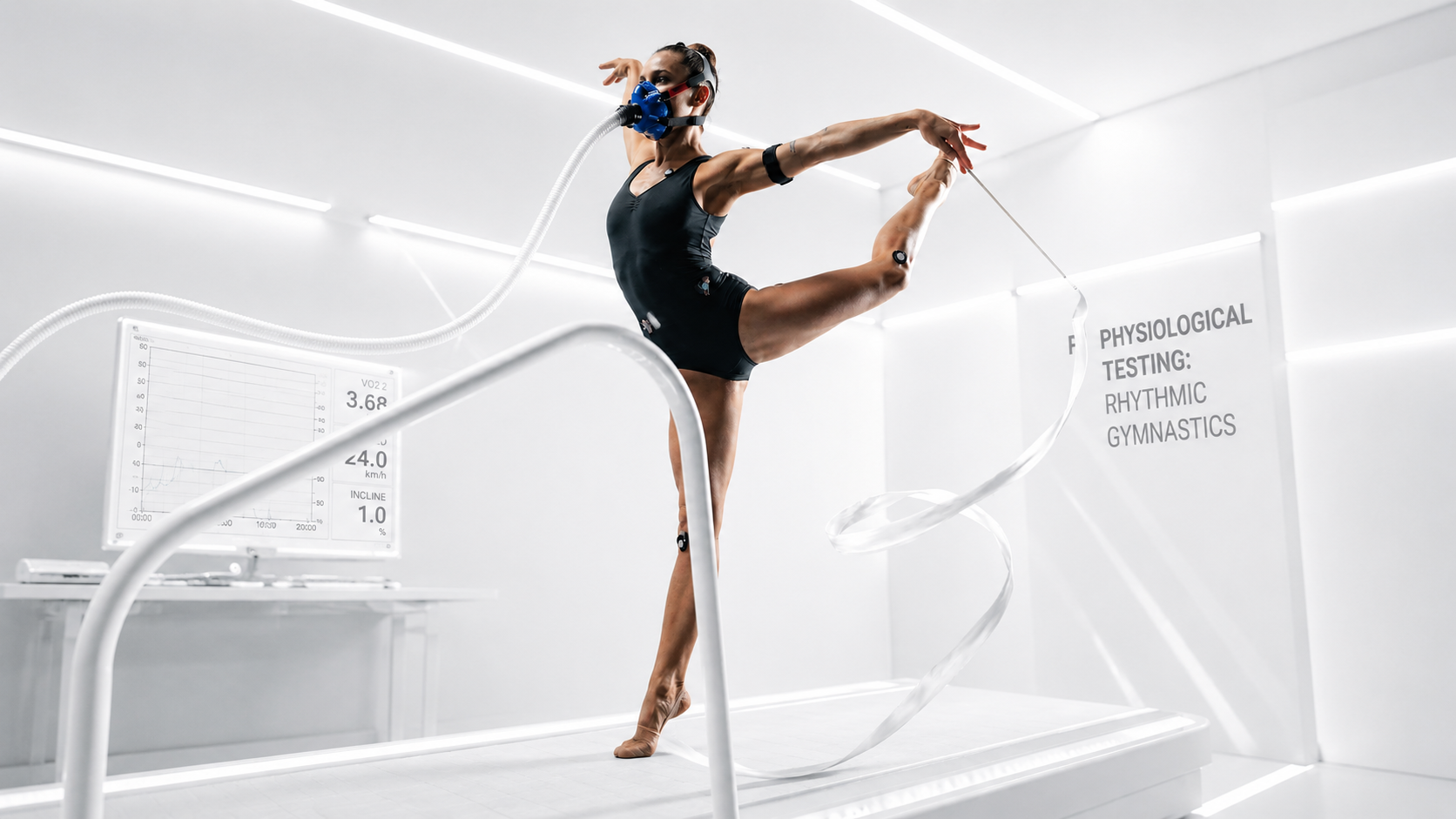
An incremental test to volitional exhaustion with breath-by-breath gas analysis establishes VO₂ max — the ceiling of oxygen delivery and utilisation, and the foundation of endurance potential.
Phase 02
Physical conditioning
Blood lactate and ventilatory markers identify the intensities where the body shifts fuel systems. These thresholds, not maximum values, define sustainable race and training pace.
Phase 03
Training load and monitoring
Force plates, motion capture and gait analysis quantify ground contact, asymmetry, joint kinetics and movement economy — where energy is produced, and where it is wasted.
Phase 04
Evaluation
Force-velocity profiling, isometric mid-thigh pull and jump testing reveal whether an athlete is force-limited or velocity-limited, directing resistance prescription precisely.
Phase 05
Biomarkers
Internal load (heart rate, RPE) and external load (distance, power) are modelled together with HRV and sleep to keep adaptation ahead of accumulated fatigue.
Physiological Response
Reading the data
Incremental Heart Rate
0 bpm
Blood Lactate
0.0 mmol/L
Weekly Intensity Distribution
0%
Readiness Score